

Mental Health in the UK
Since the NHS was established 70 years ago, medical advances and treatments have been offered at no cost to people in need. Mental health hasn't had the same benefits.
Many reported feeling positive about their mental health, yet were worried that others might not. They also discussed the effects that poor economic conditions have on their own mental wellbeing and the wellbeing of others.
1. Helping yourself
One of the most crucial steps when you're experiencing mental health issues is to seek for help. It's important to seek help even if the situation is difficult. There are a variety of methods to seek assistance with therapy, such as lifestyle modifications. Each treatment is different and therefore it is important to find what works best for you.
The first step in seeking help is recognizing that you or someone you know has mental health issues. If you notice an alteration in the way that someone you know is feeling, thinks or behaves it's essential to act. In most cases, this means speaking to them and asking for assistance. You may also want to consider joining a support group, which could be beneficial in locating others who understand what you're going through.
It is also advisable to talk to your family and your friends about how you're experiencing. They can be a sympathetic ear and may even refer you to professionals. Talking about your feelings is a great way to relieve anxiety and gain a new perspective on your life.
People suffering from mental health issues may experience many different symptoms, ranging from depression to anxiety to schizophrenia and bipolar disorder. The severity of these problems varies widely from person to person, making it hard to tell if it is a natural response to a stressful situation or the sign of an illness that is more serious.
Mental illness can have a huge impact on the daily life. Mental illnesses can have a huge impact on a person's everyday life, from their work to their relationships to their happiness and overall wellbeing. They can also have an enormous impact on your physical health. People who have mental health issues are more likely than other people to have physical symptoms that aren't medically accounted for.
In recent years there has been an alteration in how we think about mental health. Mental illness is less stigmatized, and more people seek treatment. Receiving help is a step toward a happier, healthier and more productive life. The best way to begin is with an primary medical professional. They can usually recommend a psychiatrist, psychologist, or professional counselors who specialize in mental health issues.
2. Keeping it up
A plethora of tragic stories in the news, high-profile campaigns and a growing awareness have given mental health problems the importance they merit. However, we have a long way get to where physical and mental health are considered equal priorities in the UK.
In England Mental health services in England are not ring-fenced, and therefore are subject to the same pressures as acute or physical healthcare services when it comes to funding. It has given rise to anecdotal evidence that the same level of disinvestment is happening, however hard evidence is hard to come by. In attempts to discern these trends, they have been hampered by the lack of data aggregation on the overall state of local services, and due to the fact that the same system-wide key performance indicators (e.g. the maximum wait time of 18 weeks to refer a patient from primary care to a specialist) are applicable to both physical and mental health, but are treated differently when it comes to defining the budget and monitoring service availability and quality.
To address this, a new approach is needed to building mental health resilience, and it must be led at the local level by people who are familiar with their communities including religious groups, community groups local charities, children's groups and community-based peer support groups. These groups will need to be supported and facilitated with the proper training, resources, and assistance to enhance their role in promoting mental wellbeing across all age groups.
GPs must also be given the tools to provide regular check-ins, which are not overloaded by demand and can connect patients to self-management guidance or peer support. This will ease the strain on the NHS in general and will allow for greater capacity within mental health services.
The public should also be encouraged to play an active role in their own wellbeing by taking control of their leisure time, pursuing healthier lifestyles and seeking help whenever needed. This can be done through volunteering, attending local events and fundraising for mental health charities, as in addition to attending or coordinating workplace health activities like mindfulness sessions.
3. Take control
The UK is a world leader in the world in terms of mental health. But there is still much work to be accomplished. There are many who have mental health issues but don't seek help due to the stigma attached. They typically wait until their symptoms become severe before seeking medical help. This can lead to an extended period of suffering, greater costs, and a higher chance of developing life-threatening illnesses such as heart disease or cancer.
The good news is mental healthcare has improved since the NHS launched 70 years ago. Mental illnesses are now discussed more openly, and treatment options are now more advanced. However, there is much to be done, and the stigma remains a significant barrier.
The demand for services rises as the number of people suffering from mental health problems increases. The government has pledged to invest PS2.3 billion annually to expand and transform mental health services across the country. This will allow 2 million more people to get assistance and improve healthcare outcomes.
There is also a lot being made to address the gap in the amount of money allocated to physical and mental health, as well as the obstacles that hinder people from accessing help. For example, a new fund is being created to provide culturally-appropriate advocacy services for people from minority communities, and a national programme is being developed to support the training of frontline staff in mental health.
There are plans to establish an array of specially-trained mental health ambulances. This will reduce the number of general ambulance calls for patients in crisis, and will improve speed of response and treatment for those who have mental health issues. The government is also expanding its investment in Improving Access to Psychological Therapies (IAPT) by another PS7 million to cut down waiting times and increase the number of people receiving help.
There is always someone who can help you if you are going through a difficult time. The Samaritans can be reached at 116 123 or visit a branch in your area. They provide free, non-judgemental and confidential assistance to anyone suffering from emotional stress. They are available 24/7 and can be contacted by telephone, email or letter.
4. Taking action
It's crucial to take action when you're concerned about your mental health. The right support can keep you healthy and happy.
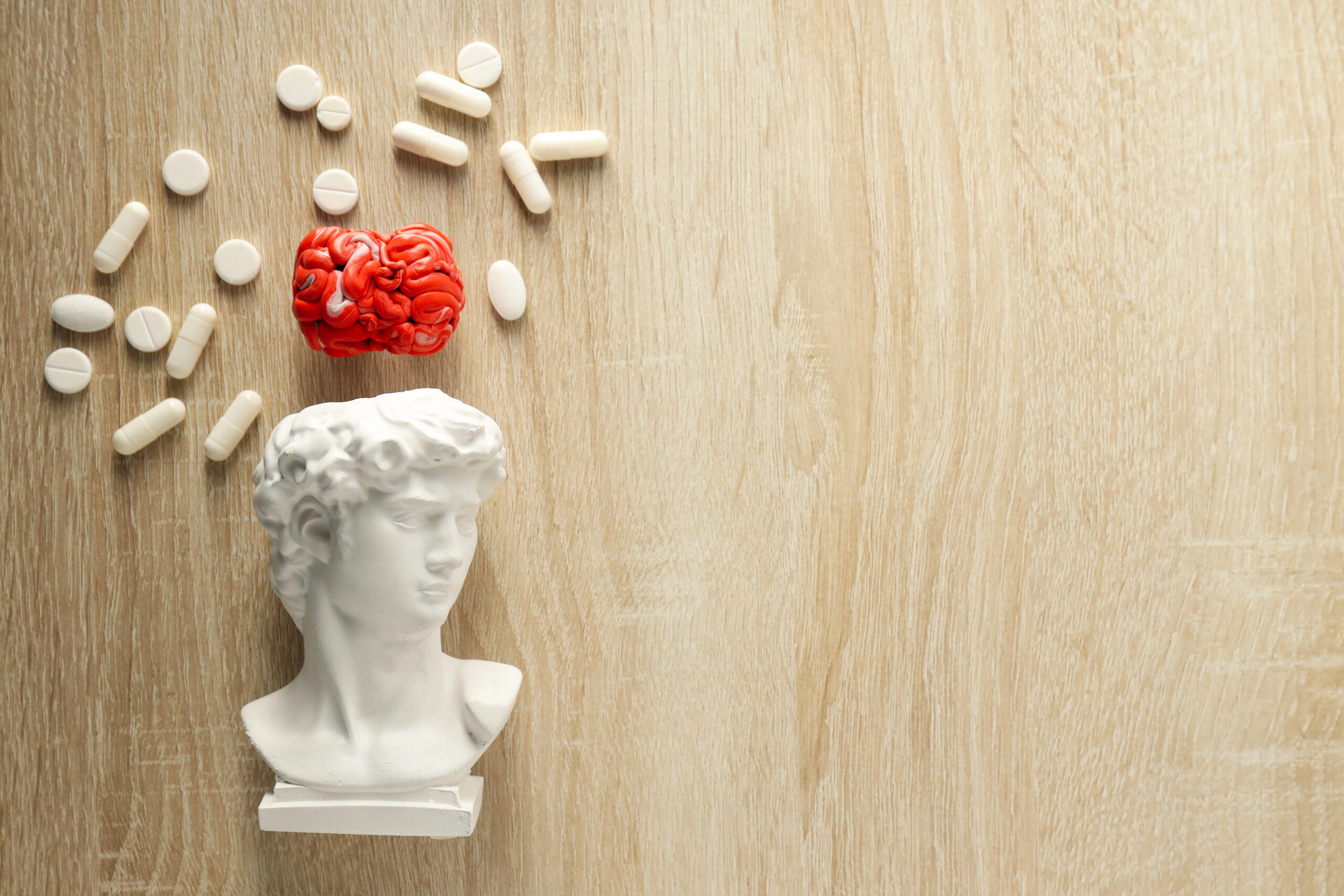
One of four people will suffer from mental illness in the UK at some point in their lives. However, it is important to remember that most mental health problems can be resolved. Most are mild, short-term and can be treated with medication from your doctor. Some, such as depression and anxiety, could be a reaction to difficult life events such as bereavement or a breakup in a relationship, but stress at work can cause these.
We can all take steps to ensure our mental health and well-being, such as eating healthy, having a balanced diet, getting enough rest and being active, as well as managing stress. However, everyone's needs are different and sometimes, we need more help. This can include things like occupational therapy, talking therapies or medication.
There is also a wide variety of charities and support services that can help with a range of issues including addiction, debt, housing and eating disorders. The Five Year Forward perspective outlines the goals of the government for mental health services. It is up to us to help make those goals a reality.
As the Time for Action Report highlights, investing in the mental health of children and young people is vital. But, spending by the public on CAMHS is currently lagging behind spending on adult mental health services . funding is a lottery for postcodes.
Health and social care professionals are increasingly putting prevention at the center of their efforts to improve the mental health of their communities. This is reflected in the Prevention Concordat for Better Mental Health which brings together more than 140 organisations from the social and health care sectors that have signed up to a shared commitment to make prevention of mental illness a top priority.
The NHS has declared that it is dedicated to addressing stigma and inequalities within mental health and the gap between physical and mental health care. However, there is a lot to do. We need to change the mental health and how we talk about it. We must eliminate the barriers that continue to divide us and create an environment where people value mental health just as they value physical wellbeing.